No login or hidden fees, just visit the website anytime.
100% anonymous; we don’t collect names or personal data.
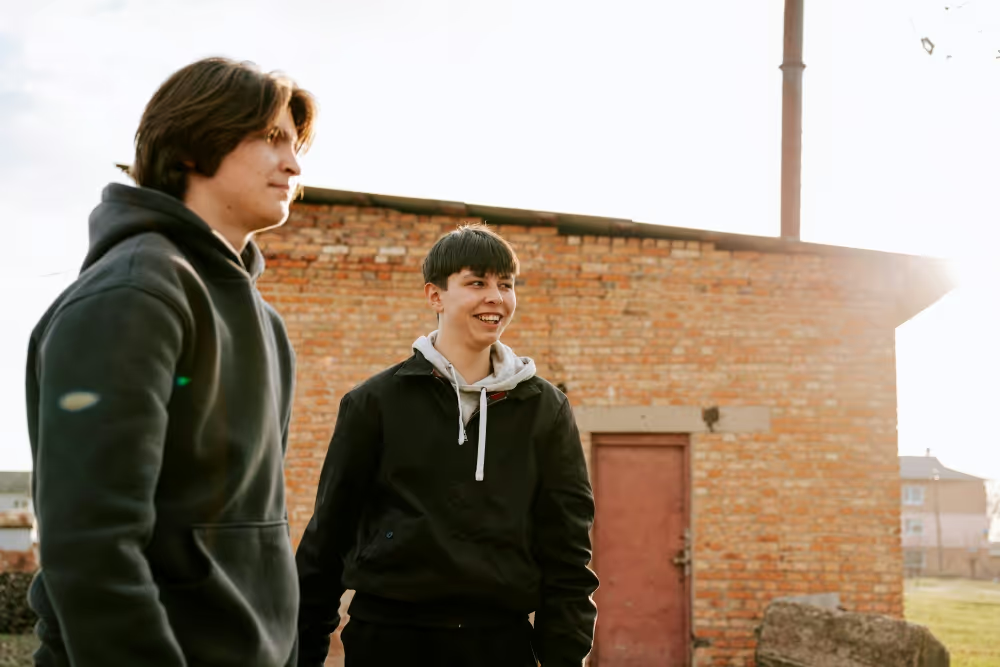
Mini courses are co-designed with and for teens ages 11-17, so the examples and advice are relatable and genuine.
The skills in Project YES have been tested and found effective by 100,000 youth across the nation, including those in rural areas.
Project YES offers quick, useful mini courses that help teens build real-life skills, including how to:
Boost Mood
Learn how taking positive actions can boost their mood
Rethink Body Image
Learn how to value what their body does for them rather than how it looks
Reframe Negative Thoughts
Learn how to rethink stressful situations to shift to a more hopeful perspective
Know Their Power to Change
Learn how to take steps to change the way they are thinking to grow into the person they want to be
Take Steps Towards Their Goals
Learn how to make a plan to tackle their top problem
Protect Their LGBTQ+ Pride
Learn how to embrace their LGBTQ+ pride and protect their well-being when facing hate
Manage Self-Harm Urges
Learn how to cope with feelings of self-hatred and reduce self-harm behaviors
Stay Safe During Suicidal Thoughts
Learn how to make a safety plan that can help identify how teens and others can support themselves when they are feeling unsafe
The Best Part? Studies show that our mini courses can reduce anxiety and hopelessness, strengthen teens’ sense of control, and even lower suicidal thoughts and behaviors.
Want the details? Check Out the Science Behind Project YES.
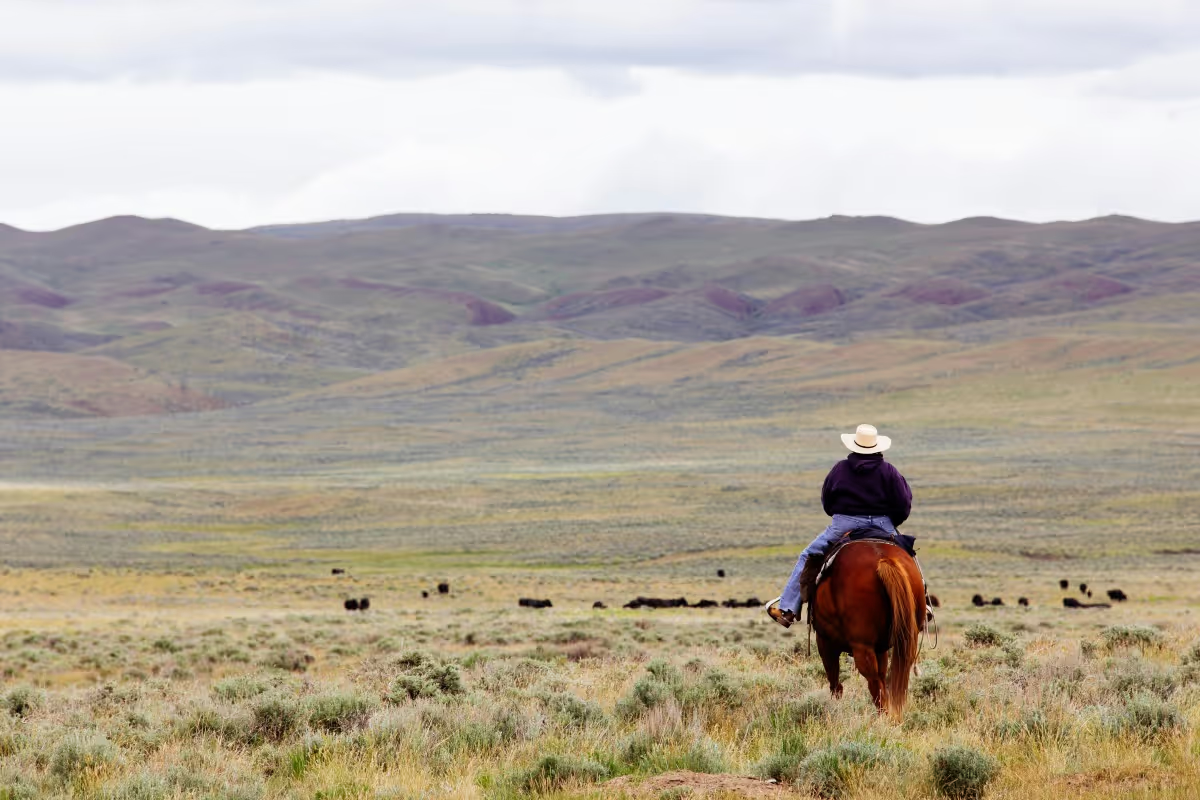
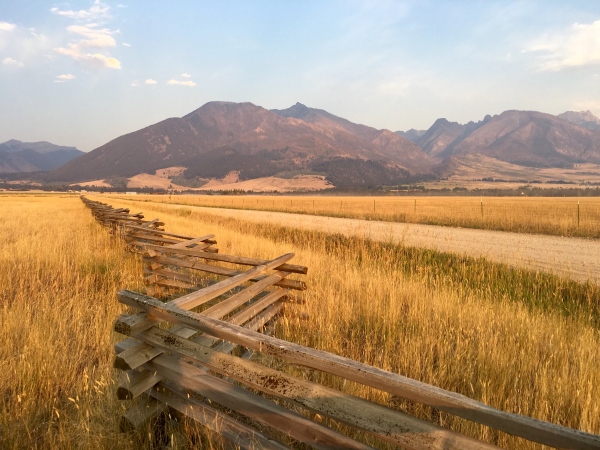

Most American youth can’t easily access mental health care, and in Montana, that is especially true. Families often live hours away from the nearest clinic; school counselors serve hundreds of students at once. Finding help on your own can be hard. But Montana’s strengths are also what makes Project YES, a great fit here:
In small towns, neighbors look out for each other. Project YES builds on that by giving every teen a private, no-cost resource they can reach anytime.
Montana kids are used to facing challenges head-on. Project YES offers quick, practical tools that let them take charge of their own mental health.

Many platforms rely on long-term use to make money. Project YES is different. Created by researchers at Northwestern in partnership with Koko (a nonprofit digital mental health group), Project YES isn’t just for mindless scrolling, and it doesn’t require long-term use.
No hidden fees. No paywalls. No surprise “premium” features. No ad pop-ups. Just support.
We regularly refresh our programs to reflect the realities teens face today, so examples feel relevant and genuine instead of cheesy or outdated.
Interactive activities keep teens interested without overwhelming them. Project YES is quick, one-time, and teaches skills that teens can use immediately, and carry with them.
While some platforms make big promises without proof, Project YES is backed by peer-reviewed science and built by researchers, not salespeople.
See Full Breakdown of the Science
Our Research
According to the Montana Department of Health and Human Services, Montana teens face some of the highest suicide risks in the nation.
In 2013-2022, the suicide rate among Montana youth was 13.2 per 100,000 people, which is nearly three times the national suicide rate of 4.7 at the time.
Families wait months for care, drive hours for appointments, and have few local specialists to rely on. The Project YES mini courses helps bridge those gaps, so you don’t have to do it alone.
Clear scripts, checklists, and conversation starters take the guesswork out of introducing Project YES.
Parents get language for tough conversations. Teachers get classroom-ready tips. Providers get workflows that they can integrate into appointments.
Whether you’re in a rural school, a clinic that serves the whole town, or a busy household, the toolkit shows how to embed Project YES into the spaces Montanans already live, learn, and gather.
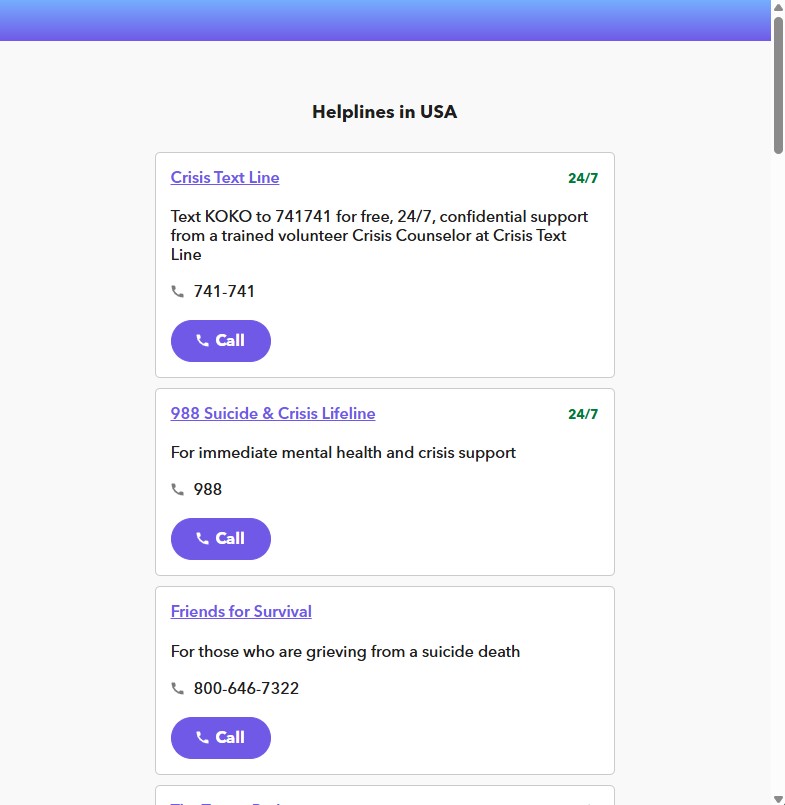
Users have the choice to complete Project YES mini courses for self-harm urges and suicidal thoughts. In addition, crisis resources like 988 and the Crisis Text Line are featured prominently on the Project YES welcome page, along with local Montana resources.
We never collect identifying details (like full names, IP address, email, or usernames), lowering barriers to help-seeking by lessening worry of unwanted disclosure.
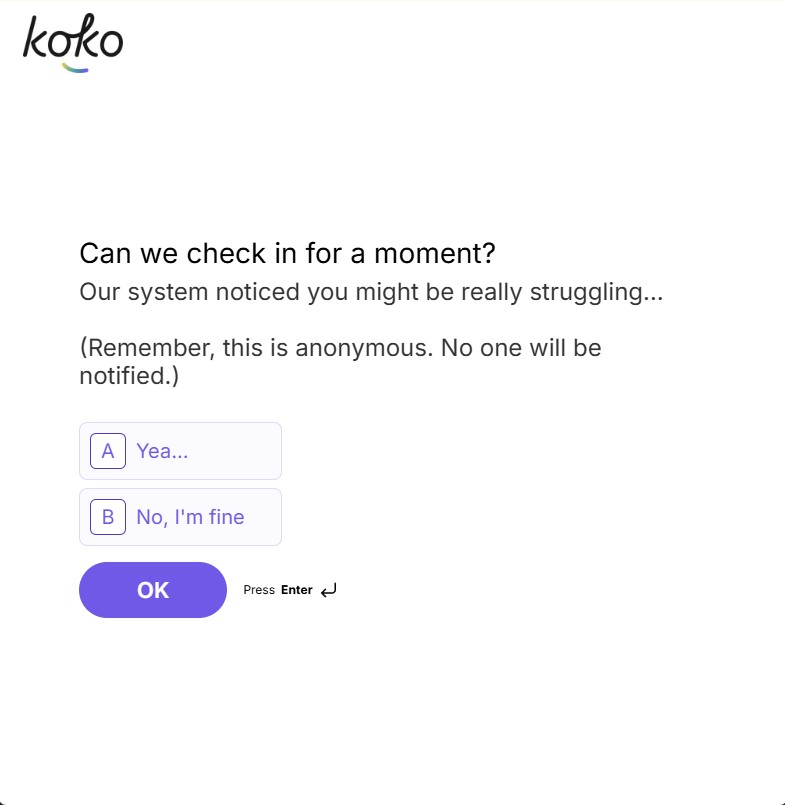
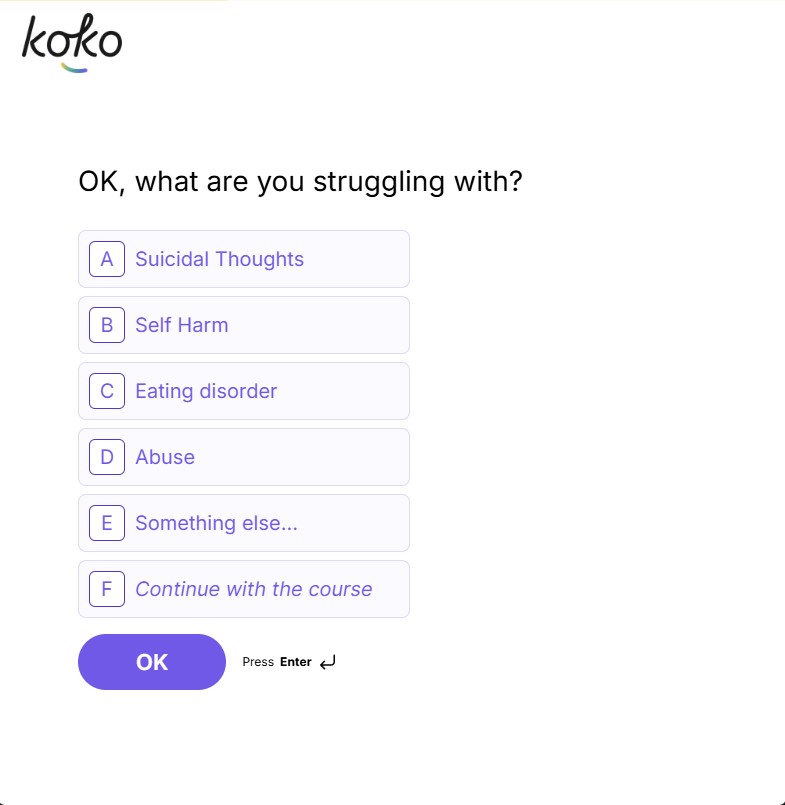
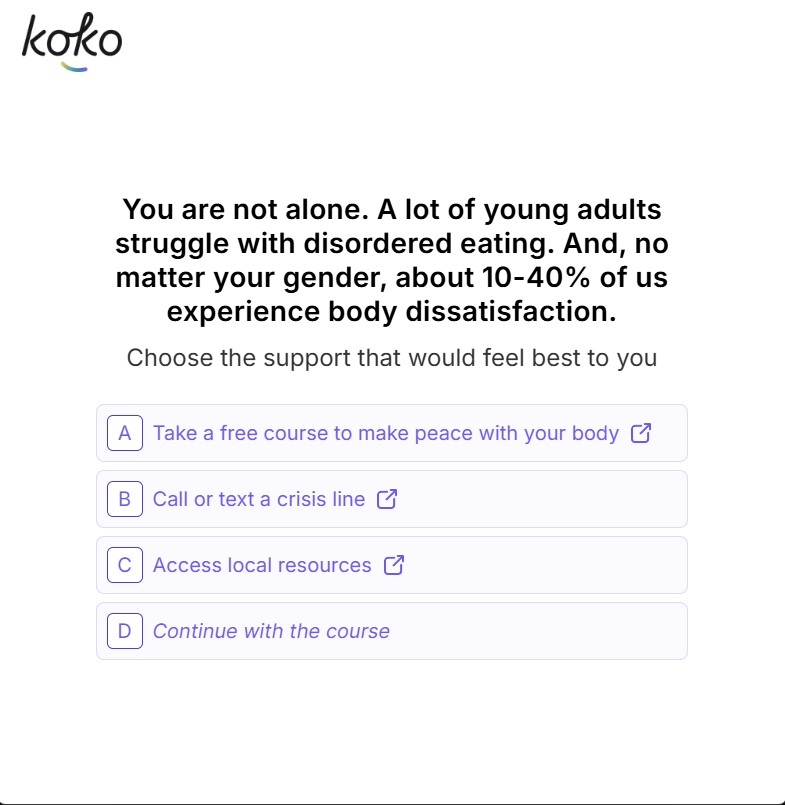
In non-crisis Project YES activities, the platform monitors open-text responses for signs of crisis (e.g., suicidal ideation, self-harm, abuse, eating disorders). If a response indicates risk, the platform immediately offers tailored support: